Advertisement

Raw oysters have been linked to an ongoing salmonella outbreak, the Centers for Disease Control and Prevention (CDC) said on Tuesday.
So far, 64 people across 22 states have gotten sick with the same strain of salmonella. At least 20 people have been hospitalized and no deaths have been reported.
State and local public health officials have been interviewing patients about what they ate in the week before they became ill. Of the 27 people interviewed, about three-quarters said they ate raw oysters.
Over 1.7 million eggs sold in 9 states voluntarily recalled due to salmonella concern
"People in this outbreak are being hospitalized at a higher rate than expected when compared to other Salmonella outbreaks linked to oysters," the CDC wrote in a media release.
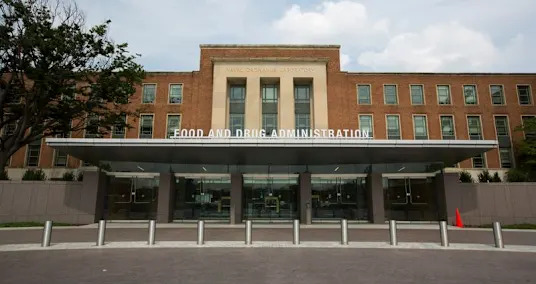
The CDC and the U.S. Food and Drug Administration are investigating to determine if a common source of oysters can be identified. No recall notices have been announced so far.

The CDC recommends that people cook raw oysters to reduce the risk of food poisoning.
Salmonella are bacteria that live in the intestinal tract of people and animals, which cause an illness called salmonellosis, according to the CDC.
People can get infected by eating contaminated food, drinking or coming into contact with contaminated water, or touching animals, animal feces or the places animals live and roam, the federal health agency said.
Symptoms can begin between six hours and six days after getting infected and include watery diarrhea, fever and stomach cramps with less common symptoms including nausea, vomiting, headache and loss of appetite.
Home delivery meals linked to salmonella outbreak, CDC warns
Illness with salmonella lasts between four and seven days, and most people recover without treatment.
In some cases, illness can severe that the patient is hospitalized, according to the CDC. Treatment includes drinking fluids to prevent dehydration and may include anti-diarrheal medication or antibiotics for those who develop severe intestinal illness.
The CDC says children younger than age 5, adults aged 65 and older and those with weakened immune systems are more likely to get severely sick.
Salmonella bacteria are a leading cause of foodborne illness in the U.S. -- as well as a leading causes of hospitalizations and death linked to foodborne illness -- but the CDC estimates cases are underreported with just one in every 30 infections being diagnosed.
LATEST POSTS
- 1
 Ford Is Using a Chinese-Built Van to Fight Europe’s EV Price War
 - 2A definitive Manual for the Over-Ear Earphones
- 3NASA's moon mission has begun — here's what's ahead for the Artemis II astronauts
- 4New subclade K flu strain raises concerns: What families should know
- 5I’m a doctor. Here are 10 science-backed tips to help you get healthier.





- How to get tickets to Jay-Z’s sold out Yankee Stadium shows
- Russia patents space station designed to generate artificial gravity
- This Week In Space podcast: Episode 186 — Snow on the Moon?
- Corcept Therapeutics shares surge as lead drug gets FDA nod for ovarian cancer
- Vagus nerve stimulation shows promise as a way to counter Alzheimer’s disease- and age-related memory loss
- EU states agree first step for Ukraine reparations fund
- Sexual violence part of 'everyday life' in parts of Sudan, charity says
- Israel faces tough choices over haredi draft exemptions, legal expert warns
- What loving-kindness meditation is and how to practice it in the new year